|






















| | What is ISO Class Three? Rural Hauled Water rating page
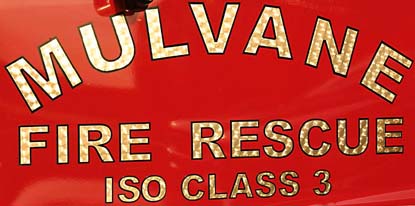
Class three refers to Insurance Service Organization (ISO) ratings. The ratings are numerically categorized from one through ten. A rating of Class "1" is the highest rating a fire department can receive. The following information lists the requirements that have been met by the M.E.S., which has enabled them to qualify for a class three rating. Major Elements:  | A review of the communications and dispatch facilities. | | A review of the water supply and distribution system. | | A review of the fire department. | | Awards a community wide grade that is combined from the three above. |
Essential elements a fire department must have to receive a Class "3" rating: | Fire Department must have pumper capacity to suppress a fire in any building in the community. | | Fire Department must have a 24 hour central dispatch for contacting all firefighters on duty via pagers. | | Must have fully equipped reserve apparatus. | | Annual tests must be conducted on pumper trucks, hoses, and hydrants. | | A minimum number of firefighters must be active in the department and respond to alarms. | | Firefighter training must greatly exceed minimum standards. | | The fire department must be able to receive assistance from neighboring departments. | | The department and community must have a definitive, reliable, and pressurized water supply. | | Must perform annual fire code building inspections. |
To receive an ISO rating the following must apply: | Must be an established and organized fire department. | | Legal responsibility for fire suppression in a defined area within specific boundaries. | | At least four firefighters must be present at all scenes. | | Two hours of training must be provided to members bi-monthly. | | Each firefighter must have a personal pager to be made aware of fire calls. | | Fire vehicles and equipment must meet standard codes specified by the NFPA. | | Equipment and vehicles must be centralized and kept indoors. |

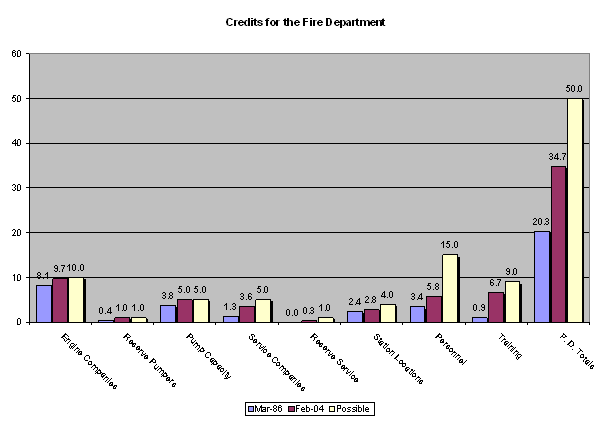
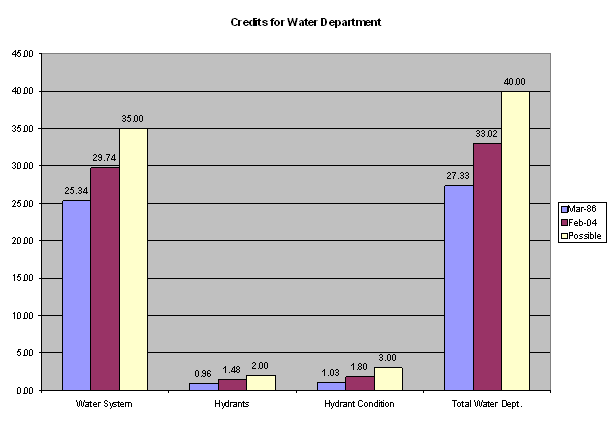
Comparison of 1986 and 2004 vs. maximum points possible. 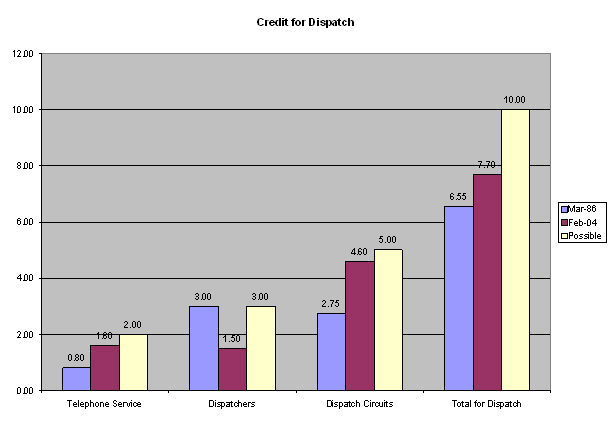
- ISO ratings in Kansas
- 1,140 Communities
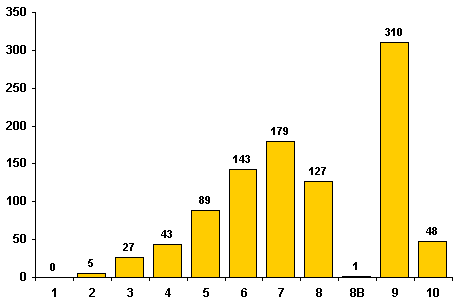
Mulvane is the first 8B in Kansas
WHAT IS ISO AND HOW DOES IT WORK? The Insurance Services Office (ISO) is a for profit monopoly that is authorized by 48 state legislatures to rate community fire defenses. They sell the collected data to the insurance industry for the purposes of establishing insurance rates. The ISO audit is a totally open book test. The ISO rating sets commercial, contents, homeowner, crop and rental insurance rates. The ISO rates communities every 15 years. The ISO rating is the reason fire insurance rates are so high in some communities. What factors are the PPC ratings based on? ISO’s PPC system has been in use since the early 1900’s, and has been continuously modified and refined over that time. The Fire Suppression Rating Schedule (FSRS) looks at a great deal of specific information about the fire department, the water supply, and the types of property in the community, and uses a fairly complex process to evaluate that information. In general though, here are the factors the PPC system looks at. | Water supply is the most important single factor, and accounts for 40% of the total rating. The FSRS compares the water supply available at representative areas of the community with the amount needed to fight a fire in the types of buildings there are at that location. In addition, there are some specific minimum requirements for specific classes; to be Class 8 or higher, for example, the city must have the water supply and equipment to deliver at least 250 gallons per minute for at least two hours. | | Fire equipment accounts for 26% of the rating. Again, there are both some specific minimum equipment requirements, and additional equipment standards based on the numbers and types of structures in the community. Regular testing of the equipment is also a factor. (Incidentally, the ISO rating system does not have a maximum age for fire trucks, but instead focuses on the equipment’s capabilities. If the 1949 pumper is tested regularly and meets performance requirements, it’s as good as a brand new truck as far as ISO is concerned.) | | Personnel accounts for 24% of the rating. 15% of that is based on the numbers of firefighters available for the initial response and how quickly the firefighters can respond. The other 9% reflects the initial and ongoing training the firefighters receive. | | The alarm and paging system accounts for the remaining 10% of the rating. |
The grading audit simply measures compliance to the national minimum standards in the respective areas. Examples of questions asked are: Can a caller find the fire department phone number in the phonebook? Does the water system match the needed fire flow requirements of the buildings in the department? Are your ladders long enough to reach the buildings you protect? Do you test your fire hydrants? Are your fire stations properly located? Are there enough hydrants in the right areas? Do you have the correct mix of fire apparatus? How do ISO PPC ratings affect insurance premiums? Representative insurance premiums | Fire Class | $150,000 residence | $1,000,000 office building | 1 | $670 | $2,950 | 2 | $670 | $2,980 | 3 | $670 | $3,020 | 4 | $670 | $3,040 | 5 | $670 | $3,060 | 6 | $670 | $3,120 | 7 | $670 | $3,230 | 8 | $777 | $3,330 | 9 | $972 | $3,440 | 10 | $1,072 | $3,710 |
The table above shows how the premiums would vary for some typical structures under a couple of insurance companies’ current rating schedules. Keep in mind though that every insurance company sets its own rates. While these figures are reasonably representative of how much difference the fire rating can make in an insurance buyer’s premiums, the amounts and percentages of the premium credits for the various fire classes will vary among insurance companies. Here are some points to note: | In this schedule, no additional credit is given on residential property for a fire class better than 7. The reason has largely to do with the role that water supply plays in the ratings. Having a better water supply helps in fighting fires in larger commercial structures, and therefore is reflected in a better rating. But for most residential fires a lesser water supply is actually needed, and having more than that available really doesn’t help the fire department fight that particular residential fire any better. There’s some variation among insurance companies (e.g., some might allow additional credit for class 6, others might lump classes 7 and 8 together for rating purposes, etc.) but this general pattern is fairly typical for residential premium structures. | | Not all insurance companies use the ISO PPC classifications. This is especially true for residential coverage. Some companies have their own rating systems based on their own historical loss data for the area rather than on an evaluation of the fire protection in the area. Other insurance companies use their own systems for rating the fire protection for a particular property; a company might classify properties based on the individual property’s distance from a fire station and water supply, for example. |
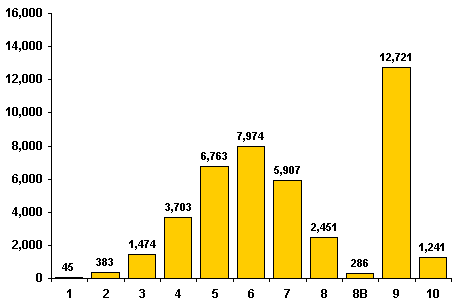
- ISO rating in the United States in 2004
- 44,466 Communities
Link to ISO web site. 
|
 2015
2015